
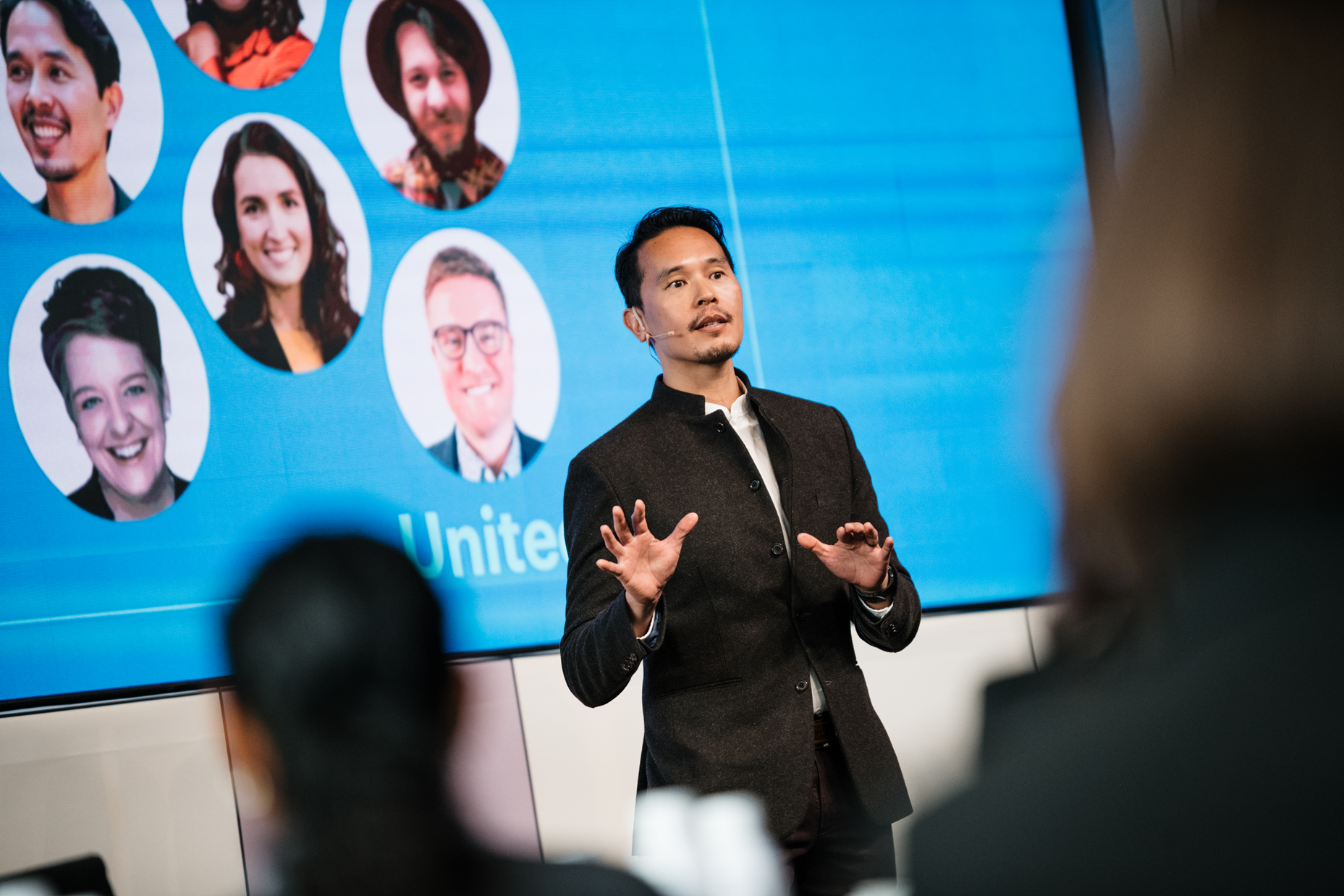
Last week, I had the honor of sharing the One Degree | 1degree.org story at The Rockefeller Foundation’s Amplification event during the NationSwell Summit. As part of the U.S. Big Bets Fellowship, I got to share why I believe so deeply in the need to invest in nonprofits that are building digital public infrastructure and why we need community-rooted organizations, not just tech giants, creating the next generation of AI tools.
I’m grateful to the Rockefeller Foundation for giving me the mic. That one pitch led to thoughtful conversations with leaders from across the country (from Tulsa to New York) who are trying to reimagine how to serve people better in this day and age. It reminded me: this is how change starts. In rooms where ideas collide over lunch and dining room tables and the connections spark some interesting conversations.
NationSwell network in full effect
The NationSwell Summit itself was a great experience. I met Greg Behrman during NationSwell’s founding days, and seeing the community he and his team have nurtured was inspiring. This network has grown into a vibrant collective of do-gooders across sectors.
The backdrop of the Summit was complex and layered: an accelerating AI revolution on one side and a looming government shutdown on the other. And who bears the brunt of these seismic shifts? Vulnerable communities. People who rely on services like SNAP (who are already navigating a tangled web of bureaucracy) face the greatest risks (with SNAP benefits . My pitch was, in many ways, about that very urgency: the need to streamline and strengthen access to safety net services now, using the best tools available.
AI, governance, and what was missing: ownership
One of the most powerful moments was a small-group dinner focused on AI and governance, attended by senior leaders at some amazing philanthropies and organizations: Omidyar Network, EqualAI, Cadence, Gates Foundation, Tulsa Innovation Labs, Rockefeller Foundation, Block, and others. The talk was mostly about guardrails, liability, trust, and literacy, which are all critical.
But something was missing: ownership.
Because right now, only a handful of companies own the future of AI. And if we’re not careful, governance becomes a spectator sport, where a few build, and the rest of us comment from the sidelines.
This is why I keep saying that we need community-based organizations and public interest technologists to jump into the AI waters. Start building. Start testing. Start understanding what this technology can and can’t do. We cannot afford to only theorize. We need to own something real, something useful, and something that reflects our values and serves our people.
The Builders will govern
Honestly, as I sat in that room surrounded by some of the most influential leaders in philanthropy and corporate social responsibility, I was struck by how much thoughtful conversation was happening, and how strong concerns and deep values were being surfaced. And yet, it also felt like we were one step removed. We weren’t quite in the room where AI was being built. We were in the room discussing what others are building.
Because of that, the conversations were largely about playing defense, not offense when it comes to AI.
To be clear, philanthropy can play an important role in this moment to put up guardrails, convene smart minds, and think carefully about long-term impacts. But when it comes to shaping the future of AI, only a handful of builders are playing offense, and by that I meant actively using this technology to share the world we live in. We need to change that.
We need to equip more of people (community-rooted, mission-driven builders) to play offense, too.
Philanthropy can also play a role there too, but so far, only a handful of funders have made bold moves in this space. Many are still taking a wait-and-see approach or launching coalitions to study the problem rather than deploy their funding on real implementation happening today.
At the end of the day, those shaping the future of AI will be the ones building it, and not just thinking or talking about it.
And that’s why it’s so important for philanthropy to deploy its resources now… to fund organizations that are already deeply embedded in communities and well-positioned to build technology and AI that is community-centered, community-owned, and grounded in equity.
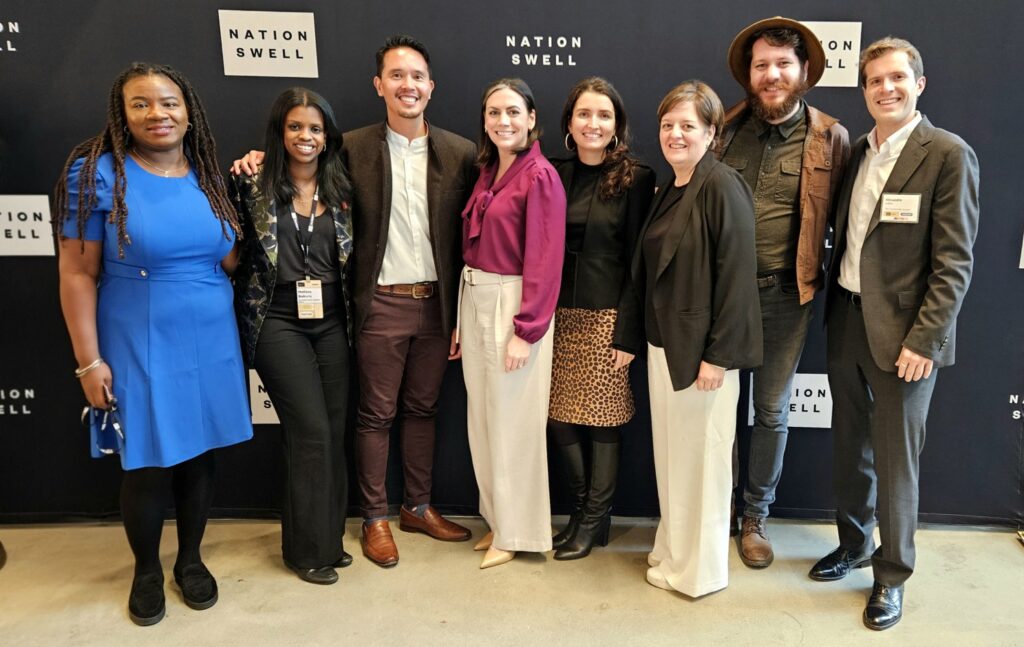
Huge thanks to The Rockefeller Foundation for the opportunity to share One Degree’s work through the Big Bets Fellowship. And thanks to NationSwell for hosting such a thoughtful and energizing summit!